
Counselor Corner
School Counselor | Madison Waller
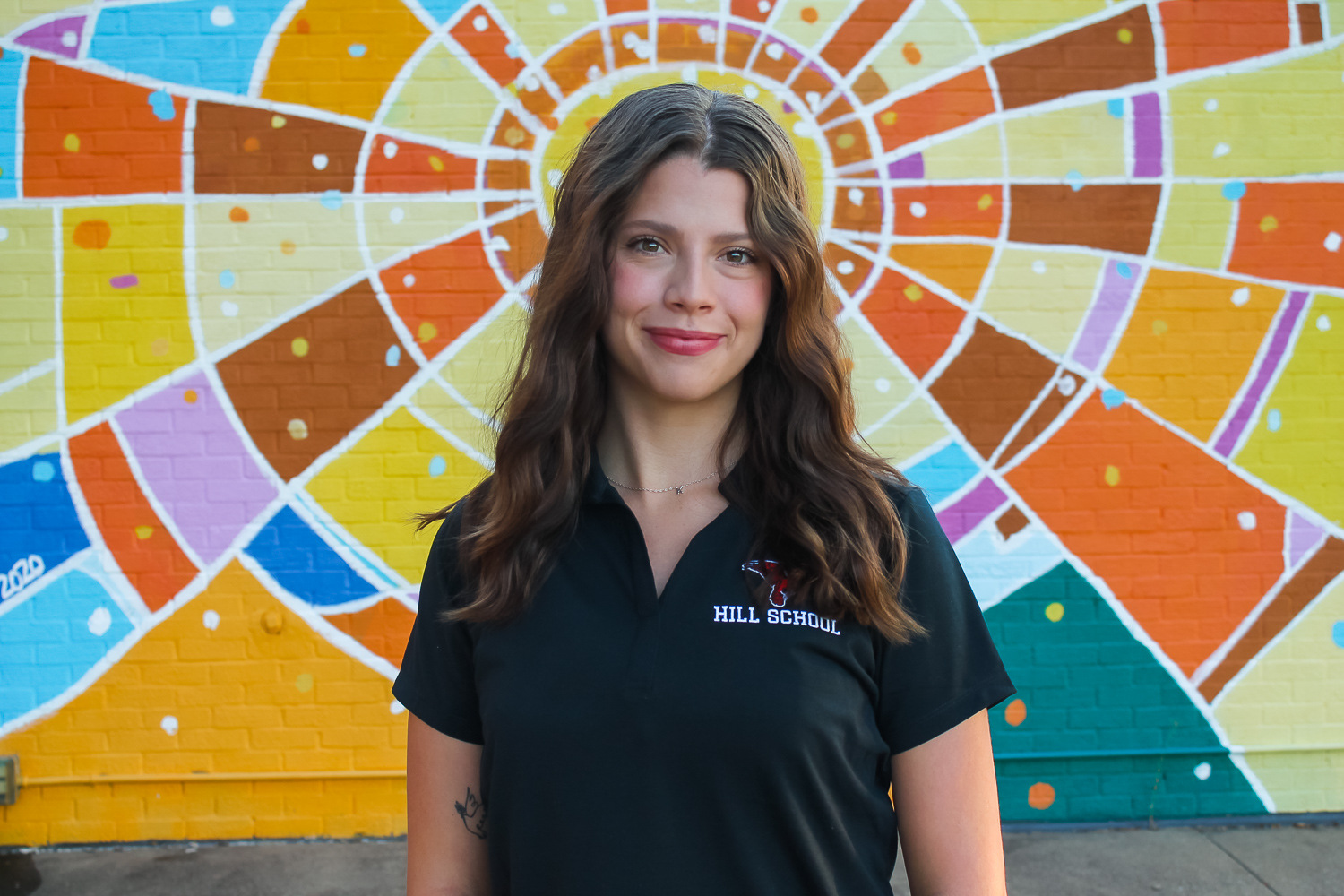
Madison Waller is the School Counselor at Hill School of Fort Worth. She earned her bachelor's degree in Psychology from the University of Colorado and will graduate this fall (2026) with her Master's in Clinical Mental Health Counseling.
In addition to her role at Hill School, Madison is an intern at a counseling group practice specializing in children and adolescents, where she continues to develop her clinical skills and passion for supporting young people. She is dedicated to helping students build confidence, resilience, and healthy coping skills while fostering a safe, supportive environment where every child can thrive.
Week 1: Building Routines
As we head into October, we are almost two months into the school year and many of us are settling into our routines. Between homework, classes, sports, activities, and busy family schedules, it can be easy for the days to start feeling full.
Routines can be helpful because they give us structure and help us know what to expect, but it is also important to recognize when our routines are becoming overwhelming.
As we move through the school year, we want to encourage students to build healthy sleep habits, take care of their bodies, and give themselves time to rest and recover.
There will be hard days when we have to push through and keep going, but rest is not something we have to earn after we are completely exhausted. Taking breaks, getting enough sleep, and making time for things that help us recharge can help us show up as our best selves.
Remember, taking care of yourself is part of being successful, not something that gets in the way of it.
Week 2: Managing Ourselves
This week in Counselor’s Corner, we are focusing on recognizing what we can do when things feel difficult, whether that means speaking up for ourselves and others or knowing how to take a step back and reset.
Lower school students are learning about being an upstander and what it means to stick up for what is right. We are talking about when it is important to speak up, when to ask for help, and how trusted adults can help us navigate challenging situations.
High school students are creating their own “Go To Reset Plan,” a proactive tool to help them recognize when stress is beginning to build and identify strategies they can use to reset before things become overwhelming. The goal is to help students better understand what they need and feel confident using healthy strategies to manage stress.
Week 3: PSAT Preparation and Confidence
On October 20th, our 9th through 11th graders will take the PSAT! As test day approaches, remember that success is not just about what you know, but also how you care for yourself. Getting a good night’s sleep, eating a healthy breakfast, arriving at school on time, and ensuring your computer is fully charged will help you feel prepared and ready to focus. It is normal to experience some test anxiety, but practicing positive self-talk, using deep breathing techniques, and maintaining a growth mindset can help you manage stress and build confidence. Remember, one test does not define your intelligence, abilities, or future potential. Trust your preparation, take things one question at a time, and give yourself grace along the way. You’ve got this!
Week 1: Competency & Cooperation
This week, our Lower School and Middle School students completed their first week of SEL, with High School beginning next week! We started the year by focusing on our first competency, cooperation, and the skills that help us work and interact positively with others. Students discussed mutual respect, healthy communication, boundaries, and what it means to show respect through our words and actions. These are skills students can use every day, whether they are working with classmates, navigating friendships, communicating with teachers, or interacting with family at home. As we continue our SEL lessons, students will have opportunities to practice these skills and apply them to real life situations. I encourage families to continue these conversations at home and reinforce the same language, and skills students are learning at school!
Week 2: Sense of Self and Well-Being
This week, our 9th–12th grade students officially began SEL and kicked off their first motif, Sense of Self and Overall Well-Being. Throughout this motif, students will explore practical skills that support both their personal wellness and success at school. We will focus on managing emotional responses in ways that support focus, judgment, and classroom engagement, as well as using effective coping strategies to manage academic and social stress. Students will also examine how media habits, sleep, and daily routines can affect mood, energy, focus, performance, and overall well-being. As we move through the motif, students will set personal well-being goals and identify the supports and potential barriers that may affect their ability to follow through. Our goal is to help students better understand themselves while building healthy, realistic habits they can carry into life beyond Hill School.
Week 3: Building Healthy Friendships
This week in SEL, our Lower and Middle School students continued exploring cooperation and building healthy friendships.
Lower School students are focusing on respect and thinking beyond yourself. We are learning how being open-minded, considerate, and aware of things like body language can help us understand others and build stronger friendships. Students are also practicing important skills like compromising and considering how their words and actions affect those around them. Middle School students are focusing on navigating the ups and downs of friendships. We talked about how communication, respect, honesty, trust, and boundaries all play an important role in helping friends understand one another and work through challenges that can happen in any friendship.
Next week, our High School students will continue their first SEL theme, Sense of Self & Overall Well-Being, as they build self-awareness and explore healthy ways to support their overall well-being.
Week 4: Managing Stress
This week in SEL, our Lower School students are continuing their lessons on Cooperation by learning what it means to be an upstander rather than a bystander. We are talking about what it looks like to be brave, speak up, and support others when something does not feel right.
Our High School students are continuing our Sense of Self and Overall Well-Being lessons. This week, we are focusing on recognizing what may be weighing on us, how stress can show up in our thoughts, feelings, and behaviors, and how our bodies can signal that we are experiencing stress. Students are also learning the difference between controllable and uncontrollable factors. Rather than trying to avoid stress altogether, our goal is to help students identify what is within their control and use those areas as tools for managing stress in healthy and productive ways.
Week 1: Welcome
I am so excited to step into my new role as Hill School’s School Counselor this year! One of my biggest goals is to continue strengthening the social-emotional support we provide our students and to make Social-Emotional Learning (SEL) an intentional part of the Hill School experience.
Our Lower School students will participate in weekly SEL lessons, while Middle School and High School students will participate in lessons every other week. Throughout the year, students will build skills around the CARES competencies:
C – Cooperation
A – Assertiveness
R – Responsibility
E – Empathy
S – Self-Control
We also want these skills to carry over beyond the school day! Parents and caregivers will receive School-to-Home Connections through email or text that share what students are learning at school, along with simple ideas for practicing and reinforcing those skills at home. Our hope is to bridge the gap between school and home and create a shared language around social-emotional growth.
Our 9th–12th grade students will also utilize a High School Toolkit designed to help prepare them for adulthood and life after Hill School. Lessons will focus on meaningful, real-world topics and skills that support independence, healthy relationships, responsible decision-making, self-awareness, and future readiness.
I am incredibly excited for the year ahead and grateful for the opportunity to support our students and families in this new role. Please never hesitate to reach out to me with questions, concerns, comments, or ideas. I value our partnership with families and look forward to working together to help every Hill School student grow academically, socially, and emotionally. - Ms. Waller
Week 2: Keeping Routine
The start of a new school year can bring a mix of excitement and stress for students. New routines, earlier mornings, homework, new teachers, and getting back into the rhythm of school can all take some adjustment. It’s completely normal for students to feel a little more tired, emotional, or overwhelmed during this transition.
One of the best ways to help your child adjust is to get back into a consistent sleep routine. Try moving bedtime and wake-up time earlier gradually, keeping a consistent schedule each day, and limiting screens before bedtime. A calm bedtime routine such as reading, taking a shower, or listening to quiet music can also help signal that it’s time to wind down.
Most importantly, give your child (and yourself!) some grace during these first few weeks. Changes in routine take time, and small steps can make a big difference.
Week 3: K-8 is Starting
SEL starts next week... yay! We are so excited to kick off another year of Social-Emotional Learning with our students!
Our K–8 students will begin the year focusing on Cooperation, with each grade level exploring the topic in an age-appropriate way:
- K–1: Getting to Know Others
- 2–3: Showing Respect Everywhere!
- 4–5: Thinking Beyond Yourself
- 6–7: Navigating the Ups and Downs of Friendships
- 8th Grade: Respect!
Our 9–12 students will begin with Sense of Self and Overall Well-Being, focusing on understanding themselves, building self-awareness, and supporting their overall well-being.
Keep an eye on your email! When we introduce a new topic, I will send a School-to-Home Connection with information and ideas to help families learn more about what students are working on at school and find simple ways to continue these important skills at home.
We can’t wait to get started!